• ANNOUNCEMENTS
  • ADDMISSION
  • CAREERS
  • CONTACT US
Facebook Instagram Youtube X-twitter
logotype
  • Home
  • About us
  • Campus Life
  • Admission
  • Courses
  • Our Staff
  • Career
  • Gallery
  • Blogs
  • Contact us
  • ANNOUNCEMENTS
  • ADDMISSION
  • CAREERS
  • CONTACT US
Facebook Instagram Youtube X-twitter
logotype
  • Home
  • About us
  • Campus Life
  • Admission
  • Courses
  • Our Staff
  • Career
  • Gallery
  • Blogs
  • Contact us
logotype
  • Home
  • About us
  • Campus Life
  • Admission
  • Courses
  • Our Staff
  • Career
  • Gallery
  • Blogs
  • Contact us
logotype
  • Home
  • About us
  • Campus Life
  • Admission
  • Courses
  • Our Staff
  • Career
  • Gallery
  • Blogs
  • Contact us
Students
Home Archive by Category "Students"

Category: Students

EducationLearningStudentsadmin09/18/2026
Share article:TwitterFacebookPinterestLinkedin
62 Views
3 Likes

NCVT vs SCVT: What Is the Difference?

If you are planning to pursue an ITI course after Class 10, you may come across two important terms: NCVT and SCVT. Many students want to know the difference between NCVT and SCVT, which certificate they receive, how the certification works, and which option can be suitable for their career goals.

Both are associated with the vocational training system in India, but they have differences in their administration, examination and certification structure. Understanding these differences can help students make a more informed decision while choosing an ITI course.

What is NCVT?

NCVT stands for National Council for Vocational Training. It was the national-level body associated with the development and coordination of vocational training standards in India.

Under the national vocational training framework, ITI students are trained according to prescribed trade standards and assessment requirements. NCVT-associated training has traditionally been linked with nationally standardized vocational qualifications.

Today, the functions previously associated with NCVT have been taken forward under the National Council for Vocational Education and Training (NCVET) framework.

What is SCVT?

SCVT stands for State Council for Vocational Training.

SCVTs operate at the state level and are responsible for vocational training-related activities within their respective states. State-level ITI programs can follow the standards, examination processes and certification framework prescribed by the concerned state authorities.

The exact structure and implementation can vary from one state to another.

NCVT vs SCVT: Key Difference

The basic difference is related to the level at which the vocational training framework is administered.

Feature NCVT / National Framework SCVT
Level National State
Scope National vocational training framework State-level vocational training
Administration National vocational education framework Respective State Council/State authorities
Training Based on prescribed trade standards Based on state-level implementation and applicable standards
Certification National framework certification/qualification State-level certification/qualification, as applicable
Recognition Designed for broader national applicability Primarily associated with the respective state framework

Important: Certification, recognition, examination and equivalence can depend on the specific trade, institute, session and current rules of the relevant authorities. Students should check the latest official information before taking admission.

Which One Should Students Choose?

There is no single answer that applies to every student.

The right choice depends on factors such as:

  • The trade you want to study
  • The ITI and its affiliation
  • Your career plans
  • The type of certification offered
  • Apprenticeship or employment requirements
  • Further education plans
  • The latest rules applicable to your state and trade

If your goal involves working in different parts of India or pursuing opportunities where a nationally applicable vocational qualification is specifically required, students should carefully check the applicable national certification requirements.

Similarly, students planning their career primarily within a particular state should understand the applicable SCVT framework and its certification requirements.

Does NCVT or SCVT Affect Job Opportunities?

A student’s career does not depend only on the name of the certification.

Employers may consider several factors, including:

  • Technical knowledge
  • Practical skills
  • Trade qualification
  • Apprenticeship experience
  • Work experience
  • Communication skills
  • Safety awareness
  • Problem-solving ability

For technical careers, practical knowledge and hands-on skills are particularly important.

NCVT and SCVT for Apprenticeship

ITI students often consider apprenticeship as an important step after completing their training.

Apprenticeship eligibility can depend on the trade, qualification, employer requirements and applicable rules. Therefore, students should always check the current apprenticeship requirements before applying.

Having the appropriate ITI qualification along with practical training can help students prepare for technical employment and apprenticeship opportunities.

Why Is ITI Affiliation Important?

Before taking admission, students should not only look at the name of the trade. They should also verify the affiliation, approval, certification pathway and current status of the ITI.

Students should check:

  1. Whether the institute is currently affiliated/approved for the selected trade.
  2. Which authority conducts or governs the examination.
  3. What type of certificate or qualification is awarded.
  4. Whether the trade is available for the current admission session.
  5. Whether the qualification meets their intended career or apprenticeship requirements.

These checks can help students avoid confusion later.

Popular ITI Trades

Students can choose from different technical and vocational trades depending on eligibility and availability.

Some commonly known ITI trades include:

  • Electrician
  • Fitter
  • COPA
  • Welder
  • Mechanic Diesel

Each trade develops different technical skills and can lead to different career paths.

For example, an Electrician student develops knowledge related to electrical systems, wiring, equipment and safety, while a Fitter student focuses on fitting, tools, machinery and mechanical work.

NCVT vs SCVT: What Should You Check Before Admission?

Instead of choosing an ITI only because it says NCVT or SCVT, students should look at the complete picture.

1. Check the Institute

Research the ITI’s infrastructure, practical workshops, faculty and training environment.

2. Check the Trade

Choose a trade according to your interests, strengths and career goals.

3. Verify Current Affiliation

Affiliation and approval can change with time, so always verify the current status for the specific trade and admission session.

4. Understand Certification

Ask the institute which qualification/certificate will be awarded after successful completion of the course.

5. Consider Practical Training

Technical education is most useful when students receive sufficient hands-on exposure to tools, machines and practical work.

Frequently Asked Questions

Is NCVT better than SCVT?

NCVT and SCVT are different vocational training frameworks. Students should compare the specific trade, institute, certification and their career requirements rather than assuming that one is automatically better.

Is an SCVT certificate valid outside the state?

The applicability of a particular SCVT qualification can depend on the specific certificate, trade, employer, apprenticeship rules and current regulations. Students should verify the requirements of the organization or program where they plan to apply.

Can ITI students get jobs after completing their course?

Yes. ITI qualifications can prepare students for employment, apprenticeships and further skill development. Career opportunities depend on the trade, qualification, skills, experience and employer requirements.

Which ITI trade should I choose?

The right trade depends on your interests and career goals. Electrician, Fitter, COPA, Welder and Mechanic Diesel are examples of technical trades, but students should research the work involved in each trade before choosing one.

Is practical training important in ITI?

Yes. Practical training is an important part of technical education because it allows students to apply theoretical knowledge and develop hands-on skills.

Conclusion

Understanding the difference between NCVT and SCVT is important when choosing an ITI course. While NCVT has been associated with the national vocational training framework and SCVT operates at the state level, students should look beyond the terminology.

Before taking admission, check the current affiliation, trade, certification, examination framework, practical training and your long-term career requirements.

A good ITI education is not only about obtaining a certificate. It is about developing the technical knowledge, practical skills and confidence needed to build a successful career.

Build Your Technical Career with the Right Skills

At Gautam Buddha ITI – Noida Sector-63, students can explore technical training opportunities in trades such as Electrician, Fitter, COPA, Welder and Mechanic Diesel, subject to the applicable affiliation and admission rules.

🔧 Skill • Knowledge • Success

🏫 Quality Technical Training
🤝 Career Guidance & Support
💼 Skill Development & Growth

📍 Gautam Buddha ITI, Noida Sector-63
📞 Call: +91 95400 96844
📞 Helpline: +91 95400 96072
🌐 Website: www.gbiti.net
📧 Email: gbtinoida@gmail.com

🚀 आज का हुनर, कल की पहचान!

READ MORE
EducationLearningStudentsadmin09/11/2026
Share article:TwitterFacebookPinterestLinkedin
73 Views
6 Likes

India’s No. 1 ITI School: Building Skilled Professionals for a Better Future

India’s No. 1 ITI School: Building Skilled Professionals for a Better Future

Choosing the right ITI is an important decision for students who want to build a successful technical career. In today’s competitive world, practical skills, technical knowledge, industry exposure, and proper career guidance can make a significant difference.

Gautam Buddha ITI (GBITI), Noida Sector-63, focuses on providing skill-oriented technical education and practical training to help students prepare for future career opportunities.

Note: “India’s No. 1 ITI” ko factual ranking ke roop mein tabhi use karein jab institute ke paas kisi recognized ranking/award ka official proof ho. Blog mein ise promotional headline ke roop mein use karna safer hai.

Why Choose Gautam Buddha ITI?

A good ITI should provide more than classroom education. Students need opportunities to understand technical concepts, practice their skills, work with tools and equipment, and prepare themselves for real-world workplaces.

GBITI focuses on:

  • Practical & hands-on training
  • Trade-specific technical education
  • Workshop-based learning
  • Career-focused guidance
  • Skill development
  • Workplace safety awareness
  • Industry-oriented learning environment

Technical Trades at GBITI

Students can explore different technical trades according to their interests and career goals, including:

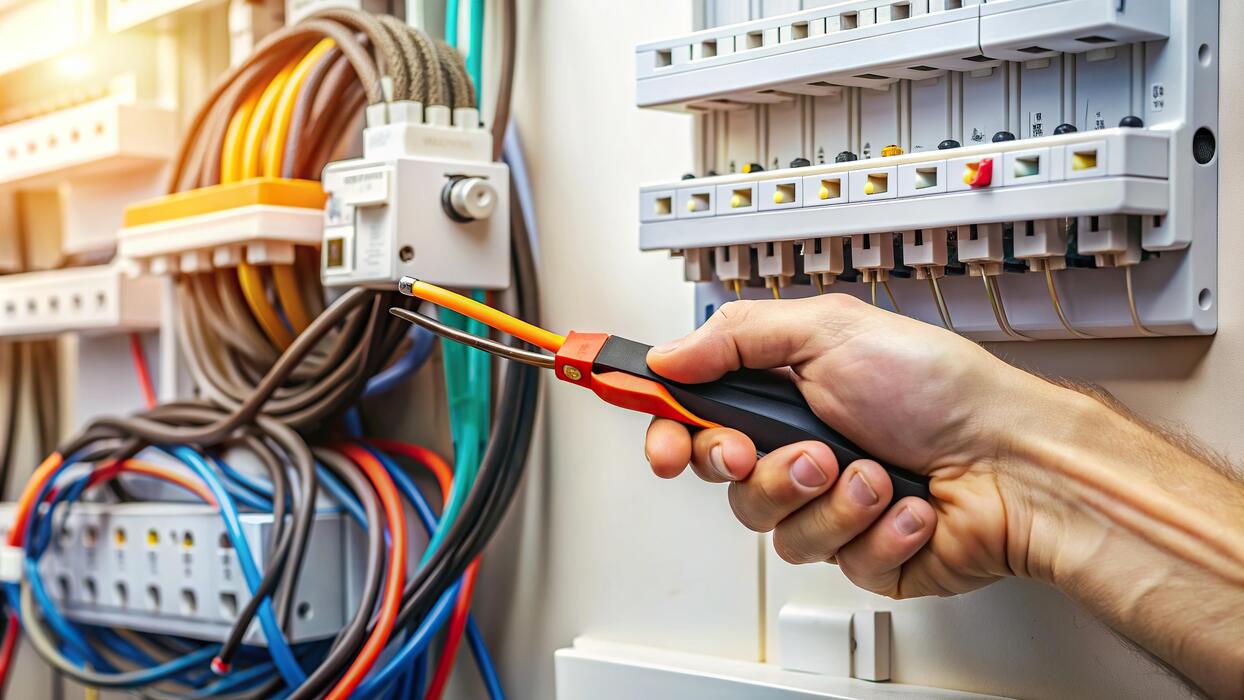
⚡ Electrician

Learn electrical wiring, installation, maintenance, electrical machines, testing, troubleshooting, and safety practices.

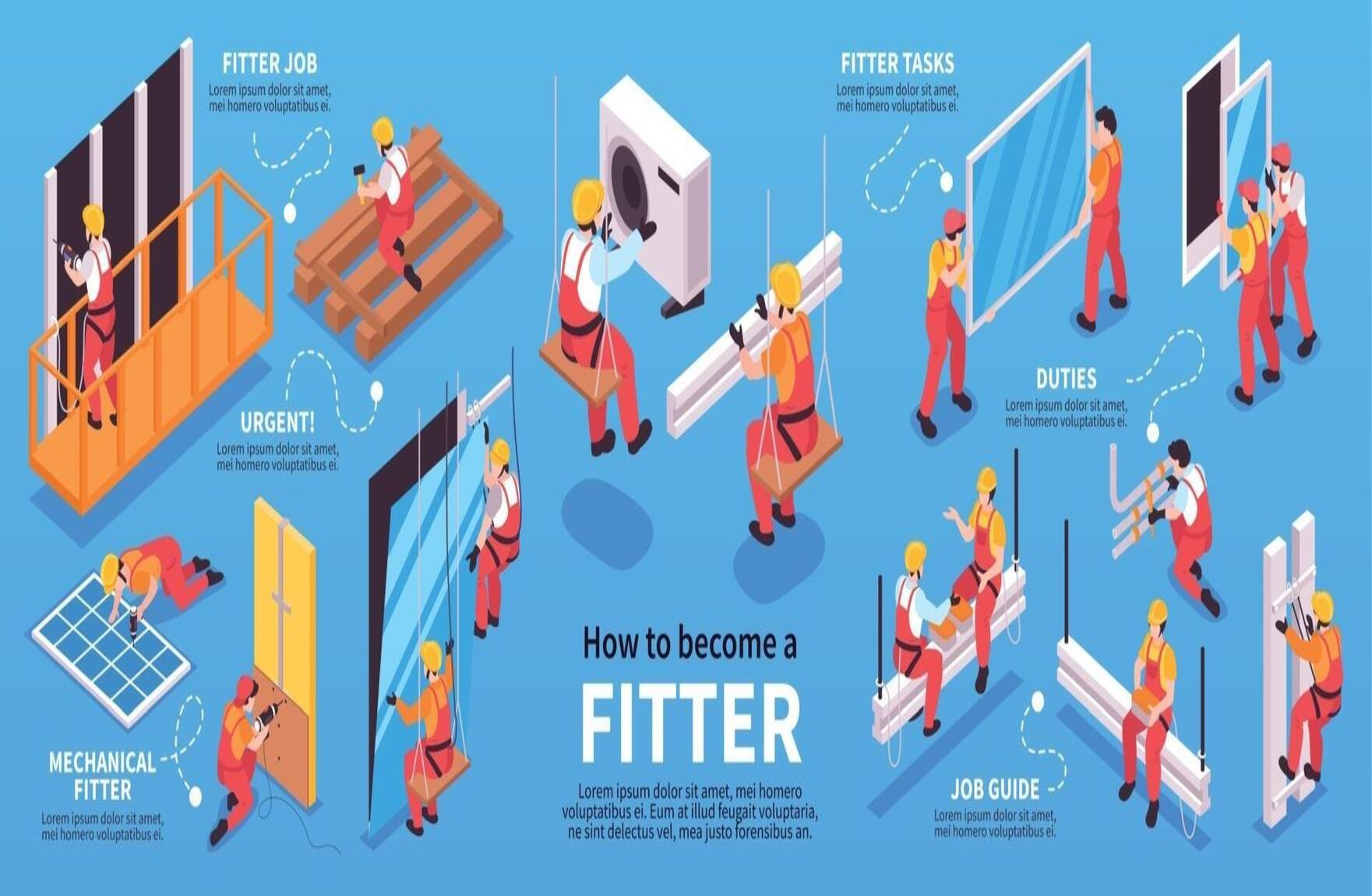
🔧 Fitter

Develop practical knowledge of mechanical fitting, tools, machine components, assembly, maintenance, and workshop practices.

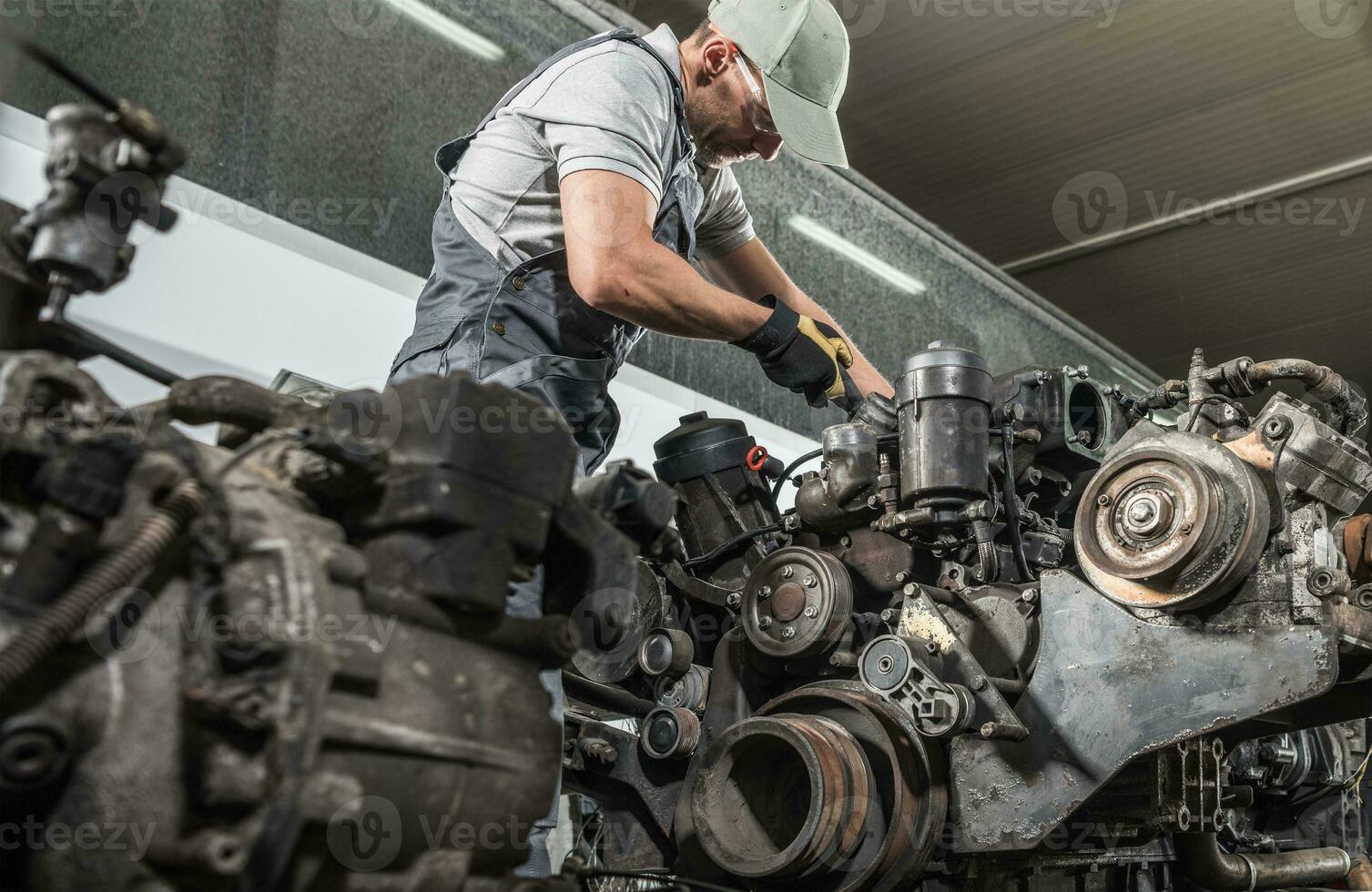
🚜 Mechanic Diesel

Develop practical knowledge of diesel engines, engine components, servicing, maintenance, fuel systems, and troubleshooting.

💻 COPA

Build computer and digital skills including computer applications, office tools, internet technologies, databases, and programming fundamentals.

Practical Training for Real-World Skills

Technical education becomes more valuable when students get the opportunity to learn and practice.

Hands-on training helps students develop confidence in using tools and equipment, understanding technical processes, identifying problems, and following appropriate safety procedures.

🏫 A Learning Environment Focused on Skills

A good technical institute should encourage students to learn through knowledge, practice, discipline, and continuous improvement.

At Gautam Buddha ITI, students can develop technical skills while preparing themselves for employment, apprenticeship opportunities, further education, and long-term career growth.

Career Opportunities After ITI

An ITI qualification can provide a foundation for opportunities in various sectors, including:

  • Manufacturing
  • Construction
  • Automobile
  • Electrical Services
  • Industrial Maintenance
  • Infrastructure
  • Heavy Equipment
  • IT & Digital Services
  • Repair & Maintenance
  • Government and Private Organisations

Career growth depends on a student’s skills, experience, additional qualifications, and continuous learning.

Why Skill-Based Education Matters

Academic knowledge is important, but practical skills are equally valuable in technical professions.

ITI training helps students develop the ability to understand, operate, maintain, troubleshoot, and work with technical systems. These skills can help them become better prepared for practical workplace requirements.

Build Your Future with Skills

Choosing the right ITI can be the first step toward a rewarding technical career. With the right combination of training, practical experience, guidance, and dedication, students can turn their skills into meaningful career opportunities.

🌟 Learn Skills. Build Confidence. Create Your Future.

Gautam Buddha ITI – Noida Sector-63
📞 Call: +91 95400 96844
📞 Helpline: +91 95400 96072
🌐 Website: www.gbiti.net
📧 Email: gbtinoida@gmail.com

READ MORE
EducationLearningStudentsadmin09/04/2026
Share article:TwitterFacebookPinterestLinkedin
84 Views
5 Likes

Explore the Learning Environment at Gautam Buddha ITI, Noida

Choosing the right ITI is not only about selecting a trade. A modern learning environment, practical facilities, workshops, and student-friendly infrastructure can play an important role in developing technical skills and confidence.

For students looking for a technical institute in Noida, Gautam Buddha ITI – Noida Sector-63 focuses on providing an environment where students can learn through a combination of classroom education and practical training.

Why Modern Campus Facilities Matter

A well-equipped campus can make technical education more engaging and practical. Students get an opportunity to understand concepts beyond textbooks and develop skills through hands-on learning.

Modern facilities can help students:

  • Learn technical concepts more effectively
  • Gain practical exposure
  • Work with tools and equipment
  • Develop problem-solving abilities
  • Improve confidence in technical tasks
  • Prepare for real-world workplace environments

Key Campus Facilities

🏫 1. Comfortable Learning Environment

A positive and student-friendly learning environment helps students focus on their education and participate actively in classroom activities.

🔧 2. Practical Workshops

Practical workshops are an important part of ITI education. Students can develop hands-on skills related to their selected trade and understand how technical processes are performed.

💻 3. Computer & Digital Learning

For trades such as COPA, access to computer-based learning helps students develop practical knowledge of computer applications, software, internet technologies, and digital tools.

⚡ 4. Trade-Based Practical Training

Different ITI trades require different types of practical learning. Trade-focused training helps students understand the tools, equipment, procedures, and safety practices associated with their chosen field.

🛠️ 5. Tools & Equipment

Working with appropriate tools and equipment helps students become familiar with the practical aspects of technical work and improves their ability to perform tasks accurately.

👨‍🏫 6. Experienced Guidance

Proper guidance from instructors can help students understand difficult concepts, improve practical skills, and develop better technical discipline.

🦺 7. Focus on Safety

Safety is an essential part of technical education. Students learn the importance of following proper procedures and using tools and equipment responsibly in workshop environments.

Facilities That Support Career Development

Modern campus facilities are valuable because they support more than classroom learning. They help students develop technical knowledge, practical skills, confidence, discipline, and workplace awareness.

Whether a student chooses Electrician, Fitter, COPA, Welder, or Mechanic Diesel, practical exposure can help create a stronger foundation for future career opportunities.

A Campus Designed for Skill Development

Technical education becomes more meaningful when students get opportunities to learn, practice, experiment, and improve.

At Gautam Buddha ITI, Noida Sector-63, the focus is on creating a learning environment that supports technical education and practical skill development.

🌟 Learn. Practice. Grow. Succeed.

Gautam Buddha ITI – Noida, Sector-63
📞 Call: +91 95400 96844
📞 Helpline: +91 95400 96072
🌐 Website: www.gbiti.net
📧 Email: gbtinoida@gmail.com

READ MORE
EducationLearningStudentsadmin08/18/2026
Share article:TwitterFacebookPinterestLinkedin
125 Views
5 Likes

Why Choose COPA? Build a Successful Career with Computer & IT Skills

In today’s digital world, computer skills have become an essential part of almost every industry. From offices and businesses to educational institutions, service providers, and technology companies, computers are used for daily operations, communication, data management, and digital services.

For students who are interested in Computers, Software, Internet Technologies, and Digital Work, the ITI COPA (Computer Operator and Programming Assistant) course can be a practical pathway toward building a technology-oriented career.

What is a COPA Course?

COPA (Computer Operator and Programming Assistant) is a vocational ITI trade designed to provide students with practical knowledge of computers, operating systems, office applications, internet usage, programming fundamentals, databases, and other essential digital skills.

The course combines Theoretical Concepts With Practical Computer Training, helping students understand how computers and digital applications are used in real-world workplaces.

What Will You Learn in COPA?

During the COPA course, students can develop knowledge and practical skills in areas such as:

  1. Computer Fundamentals

Learn the basic concepts of computers, hardware, software, operating systems, files, folders, and computer networks.

  1. Office Applications

Develop practical skills in commonly used office applications for creating documents, spreadsheets, presentations, data management, and day-to-day office work.

  1. Internet & Digital Skills

Learn how to use the internet, email, online services, digital communication tools, and other essential technologies used in modern workplaces.

  1. Programming Fundamentals

Understand the basics of programming and develop logical thinking and problem-solving skills through introductory programming concepts.

  1. Database Fundamentals

Learn the basics of storing, organizing, managing, and retrieving digital information using database concepts and applications.

  1. Web & Digital Technologies

Gain an introduction to web-related technologies and understand the basic concepts involved in creating and working with digital content.

  1. Computer Maintenance & Safety

Learn basic computer maintenance, troubleshooting, safe computer practices, and responsible use of digital systems.

Career Opportunities After COPA

After completing COPA training, students can explore different entry-level opportunities in the IT and office-support environment.

Possible career roles include:

  • Computer Operator
  • Data Entry Operator
  • Computer Assistant
  • Office Assistant
  • IT Support Assistant
  • Computer Technician Assistant
  • Programming Assistant
  • Back Office Executive
  • Documentation Assistant
  • Digital Office Assistant

Where Can COPA Students Work?

Computer professionals are required across almost every sector. After developing the required skills and experience, COPA-trained candidates can explore opportunities in:

  • IT Companies
  • Corporate Offices
  • Educational Institutions
  • Government Offices
  • Banks & Financial Organisations
  • Hospitals & Healthcare Organisations
  • Retail Businesses
  • Service Companies
  • Digital Businesses
  • Small & Medium Enterprises

The growing use of digital systems across businesses continues to create opportunities for people with practical computer and digital skills.

Build Career Growth Through Digital Skills

Completing an ITI COPA course can provide a foundation, but continuous learning is important for long-term career growth.

Students can improve their career opportunities by developing additional skills such as:

  • Advanced computer applications
  • Programming
  • Web development
  • Database management
  • Networking fundamentals
  • Digital marketing
  • Cybersecurity fundamentals
  • Cloud technologies
  • Communication skills
  • Problem-solving skills

With experience and additional technical knowledge, students can gradually move toward more specialized roles in the technology and digital sector.

Why Choose COPA as a Career?

If you enjoy working with computers, learning software, solving problems, and exploring technology, COPA can be an excellent skill-based career option.

The course provides students with practical exposure to computer applications and digital technologies, helping them build a foundation for further education, employment, apprenticeships, and skill development.

Start Your Digital Career with the Right Training

Technology is continuously changing, and digital skills are becoming increasingly important in the modern workplace. Starting with the right vocational training can help students develop a strong foundation and prepare for future opportunities.

For students looking for a COPA course in Noida, Gautam Buddha ITI, Noida Sector-63, provides technical and practical training aimed at helping students develop relevant computer and digital skills.

💻 Learn Today. Grow Tomorrow. Build Your Digital Career.

Gautam Buddha ITI – Noida, Sector-63
📞 Call: +91 95400 96844
📞 Call: +91 95400 96072
🌐 Website: www.gbiti.net
📧 Email: gbtinoida@gmail.com

READ MORE
EducationLearningStudentsadmin08/11/2026
Share article:TwitterFacebookPinterestLinkedin
65 Views
10 Likes

Make a Career in Mechanic Diesel: Build Your Future with Practical Skills

The automobile and transportation industry depends heavily on diesel-powered vehicles and machines. From heavy commercial vehicles and construction equipment to agricultural machinery and industrial engines, skilled diesel mechanics play an important role in keeping these machines running efficiently.

For students who enjoy working with Engines, Machines, Tools, and Mechanical Systems, an ITI Mechanic Diesel Course can be a practical pathway toward a technical career.

What is a Mechanic Diesel Course?

The Mechanic Diesel Trade is a vocational training program designed to develop practical knowledge and skills related to diesel engines, fuel systems, engine components, maintenance, servicing, and troubleshooting.

Students learn how diesel engines work and how to identify, inspect, maintain, and repair different engine components.

The course combines Technical Theory With Practical Workshop Training, helping students develop skills that can be applied in real-world working environments.

What Will You Learn in Mechanic Diesel?

During the course, students can develop knowledge and practical skills in areas such as:

1. Diesel Engine Fundamentals

Understand the basic working principles, components, and operating cycles of diesel engines.

2. Engine Maintenance & Servicing

Learn routine inspection, servicing, maintenance, and repair procedures for diesel engines.

3. Fuel & Injection Systems

Understand diesel fuel systems, injection components, and basic troubleshooting procedures.

4. Engine Components

Learn about important components such as pistons, cylinders, crankshafts, connecting rods, valves, bearings, and other engine parts.

5. Troubleshooting & Fault Diagnosis

Develop the ability to identify common engine problems such as starting difficulties, overheating, loss of power, excessive smoke, unusual engine noise, and other performance issues.

6. Tools & Workshop Practices

Gain practical experience using mechanical tools, measuring instruments, workshop equipment, and diagnostic methods.

7. Safety Practices

Learn essential workshop and workplace safety procedures while working with engines, machines, tools, fuel, and equipment.

Career Opportunities After Mechanic Diesel

After completing Mechanic Diesel training, students can explore opportunities in several industries.

Possible career roles include:

  • Diesel Mechanic
  • Diesel Technician
  • Automobile Service Technician
  • Engine Maintenance Technician
  • Heavy Vehicle Mechanic
  • Workshop Technician
  • Maintenance Assistant
  • Service Technician
  • Heavy Equipment Technician
  • Automotive Repair Technician

Diesel mechanics can find opportunities across a wide range of sectors, including:

  • Automobile Service Centres
  • Transport & Logistics
  • Construction Companies
  • Mining Industry
  • Agriculture & Farm Equipment
  • Heavy Equipment Companies
  • Manufacturing Industries
  • Infrastructure Projects
  • Commercial Vehicle Workshops
  • Government and Private Organisations

The increasing use of heavy vehicles, construction equipment, agricultural machinery, and dieselpowered equipment creates a continuing need for technically trained professionals.

Build Career Growth Through Skills

Completing an ITI course is only the beginning of a technical career. Students can improve their career prospects by gaining practical experience and developing additional skills.

Important areas for career growth include:

  • Advanced engine diagnostics
  • Modern vehicle technology
  • Electrical and electronic systems
  • Diagnostic equipment
  • Preventive maintenance
  • Heavy equipment servicing
  • Problem-solving skills
  • Workplace safety
  • Apprenticeship and industry experience

With experience and continuous learning, a technician can take on more responsible maintenance and supervisory roles.

Why Choose Mechanic Diesel as a Career?

If you enjoy Machines, Engines, Mechanical Work, and Practical Problem-Solving, Mechanic Diesel can be an excellent skill-based career option.

Instead of focusing only on classroom education, vocational training allows students to develop practical abilities that are directly relevant to technical workplaces.

Start Your Technical Career with the Right Training

A strong technical career begins with the right combination of Knowledge, Practical Training, Discipline, and Experience.

For students looking for a Mechanic Diesel course in Noida, Gautam Buddha ITI, Noida Sector-63, provides technical and practical training aimed at helping students develop industry-oriented skills and prepare for future career opportunities.

🔧 Learn the Skill. Master the Machine. Build Your Career.

Gautam Buddha ITI – Noida, Sector-63

📞 Call: +91 95400 96844

📞 Helpline: +91 95400 96072

🌐 Website: www.gbiti.net

📧 Email: gbtinoida@gmail.com


READ MORE
EducationLearningStudentsadmin07/17/2026
Share article:TwitterFacebookPinterestLinkedin
81 Views
6 Likes

Career Growth with Fitter Course: Build a Strong Technical Career

A successful technical career starts with the right skills, practical knowledge, and professional training. For students interested in Mechanical Work, Machines, Manufacturing, and Industrial Maintenance, an ITI Fitter course can be an excellent career pathway.

With industries continuously requiring skilled technicians for machine assembly, maintenance, fabrication, production, and equipment servicing, trained fitters have opportunities across multiple sectors.

What is an ITI Fitter Course?

The Fitter Trade is a technical vocational course that focuses on developing practical skills related to machines, tools, mechanical components, fitting operations, assembly, maintenance, and workshop practices.

Students learn how to work with different hand tools and machines while understanding how mechanical components are measured, fitted, assembled, maintained, and repaired.

An ITI Fitter course can help students develop the practical skills required to enter manufacturing, engineering, construction, maintenance, and other industrial sectors.

What Will You Learn in a Fitter Course?

A professional Fitter course covers several important areas of mechanical and industrial work, including:

1. Mechanical Fitting & Assembly

Students learn how different mechanical components are fitted and assembled accurately according to technical requirements.

2. Use of Tools & Measuring Instruments

Training includes the correct use of hand tools, workshop equipment, and measuring instruments used in mechanical work.

3. Machine Maintenance

Students learn basic maintenance procedures and how to identify common mechanical problems in machines and equipment.

4. Engineering Drawing

Understanding technical drawings helps students interpret dimensions, components, and assembly requirements.

5. Workshop Practices

Practical workshop training helps students develop confidence in handling tools, machines, materials, and mechanical components.

6. Safety Practices

Industrial safety is an essential part of technical training. Students learn safe working procedures and precautions required in workshops and industrial environments.

Career Opportunities After ITI Fitter

One of the major advantages of completing a Fitter course is the variety of career paths available.

Depending on skills, experience, and qualifications, students can explore roles such as:

  • Fitter
  • Mechanical Fitter
  • Maintenance Technician
  • Machine Assembly Technician
  • Production Technician
  • Fabrication Technician
  • Plant Maintenance Technician
  • Mechanical Technician
  • Service Technician
  • Workshop Technician

Fitter skills are useful in industries such as Manufacturing, Engineering, Automobile, Construction, Heavy Equipment, Power, Infrastructure, Fabrication, and Industrial Maintenance.

Fitter Course and Career Growth

An ITI qualification can provide a foundation for starting a technical career. However, career growth depends on continuously improving skills and gaining practical experience.

A student can progress from an entry-level technical role toward more responsible positions by developing:

  • Practical industrial experience
  • Advanced technical skills
  • Machine maintenance knowledge
  • Problem-solving abilities
  • Safety awareness
  • Communication and teamwork skills
  • Additional technical certifications

Apprenticeship and on-the-job experience can also help students understand real industrial working environments.

Why Choose Practical Fitter Training?

Mechanical work requires precision. A small measurement or fitting error can affect the performance of an entire machine.

Therefore, practical training is extremely important.

A good training institute should provide students with opportunities to work with tools, equipment, mechanical components, and workshop processes. This helps students connect classroom learning with real-world industrial applications.

Who Should Choose the Fitter Trade?

The Fitter course can be a good option for students who:

  • Are interested in machines and mechanical systems
  • Enjoy practical and hands-on work
  • Want to develop technical skills after school
  • Are interested in manufacturing or engineering
  • Want to build a career in industrial maintenance
  • Prefer skill-based vocational education
  • Want to explore apprenticeship and employment opportunities

Build Your Future with the Right Skills

A technical career is built through Skills, Practice, Experience, and Continuous Learning. The Fitter trade provides students with a foundation in mechanical fitting, machine assembly, maintenance, and workshop practices.

For students looking for a Fitter course in Noida, Gautam Buddha ITI, Noida Sector-63, offers technical and practical training designed to help students develop industry-oriented skills.

🔧 Skill Today. Success Tomorrow.

Gautam Buddha ITI – Noida, Sector-63

📞 Call: +91 95400 96844

📞 Call: +91 95400 96072

🌐 Website: www.gbiti.net

📧 Email: gbtinoida@gmail.com

READ MORE
EducationLearningStudentsadmin07/10/2026
Share article:TwitterFacebookPinterestLinkedin
74 Views
7 Likes

Best Electrician Course in Noida: Build a Skilled Career with Professional ITI Training

Choosing the right Electrician course in Noida can be the first step toward building a stable and rewarding technical career. With the growing demand for skilled electricians in residential, commercial, industrial, construction, maintenance, and infrastructure sectors, professional electrician training can open the door to numerous career opportunities.

If you are looking for a practical, industry-oriented ITI Electrician course in Noida, Gautam Buddha ITI, Noida Sector-63, provides training focused on developing both technical knowledge and practical skills.

Why Choose an Electrician Course?

Electricity is an essential part of almost every modern workplace and industry. From electrical wiring and maintenance to machines, control panels, power systems, and industrial equipment, skilled electricians are required in many sectors.

A professional electrician course helps students understand:

  • Electrical wiring and installation
  • Electrical machines and equipment
  • Domestic and industrial electrical systems
  • Electrical safety and protection
  • Testing and troubleshooting
  • Motors, transformers and control systems
  • Electrical tools and measuring instruments
  • Maintenance and repair techniques

Electrician ITI Course in Noida

The ITI Electrician trade is designed for students who want to develop practical skills along with technical knowledge. At Gautam Buddha ITI, students can gain hands-on exposure through practical training, workshops, and industry-oriented learning.

The objective is not just to teach students electrical theory but also to help them understand How Electrical Systems Work in Real-World Situations.

Key Areas of Training

During the course, students can develop skills related to:

1. Electrical Wiring & Installation

Learn the fundamentals of domestic and commercial wiring, electrical connections, circuits, and installation practices.

2. Electrical Machines

Understand the working principles and maintenance of motors, generators, transformers, and other electrical equipment.

3. Testing & Troubleshooting

Learn how to identify electrical faults and use appropriate tools and instruments for testing and troubleshooting.

4. Industrial Electrical Systems

Gain an understanding of industrial electrical equipment, control systems, motors, panels, and maintenance practices.

5. Electrical Safety

Learn safe working practices, electrical protection methods, and precautions required while working with electrical systems.

Career Opportunities After ITI Electrician

After completing electrician training, students can explore career opportunities in different sectors, including:

  • Electrical Maintenance
  • Construction & Infrastructure
  • Manufacturing Industries
  • Power & Utility Sector
  • Building Maintenance
  • Electrical Installation
  • Industrial Maintenance
  • Solar & Renewable Energy
  • Service & Repair
  • Government and Private Sector Jobs

Students can also consider Apprenticeship Opportunities to gain practical industry experience and improve their employability.

Why Practical Training Matters

Electrical work requires more than theoretical knowledge. A skilled electrician needs confidence in handling tools, understanding circuits, identifying faults, and following safety procedures.

That is why practical training plays an important role in developing job-ready technical skills.

At Gautam Buddha ITI – Noida Sector-63, the focus is on combining technical education with practical learning so students can prepare themselves for real-world work environments.

Who Can Choose an Electrician Course?

The course can be suitable for students who:

  • Have an interest in electrical work and technology
  • Want to develop practical technical skills
  • Want to pursue a career in electrical maintenance
  • Are interested in industrial or construction work
  • Want to build a foundation for further technical education
  • Want to explore apprenticeship and employment opportunities

Start Your Journey Towards a Skilled Career

A good technical education can transform your interest into a professional skill. If you are searching for the Best Electrician course in Noida, choosing an ITI that combines technical knowledge, practical training, experienced trainers, and workshop-based learning can make a significant difference.

Gautam Buddha ITI, Noida Sector-63 aims to help students develop the skills, knowledge, and confidence needed to take the next step toward a successful technical career.

⚡ Skill Today. Success Tomorrow.

Gautam Buddha ITI – Noida, Sector-63

📞 Call: +91 95400 96844

📞 Call: +91 95400 96072

🌐 Website: www.gbiti.net

📧 Email: gbtinoida@gmail.com


READ MORE

Recent Posts

  • NCVT vs SCVT: What Is the Difference?
  • India’s No. 1 ITI School: Building Skilled Professionals for a Better Future
  • Explore the Learning Environment at Gautam Buddha ITI, Noida
  • Why Choose COPA? Build a Successful Career with Computer & IT Skills
  • Make a Career in Mechanic Diesel: Build Your Future with Practical Skills

Recent Comments

No comments to show.

Archives

  • September 2026
  • August 2026
  • July 2026

Categories

  • Education
  • Learning
  • Students
Recent Posts
  • NCVT vs SCVT: What Is the Difference?
    NCVT vs SCVT: What Is the Difference?
    09/18/2026
  • India’s No. 1 ITI School: Building Skilled Professionals for a Better Future
    India’s No. 1 ITI School: Building Skilled Professionals for a Better Future
    09/11/2026
  • Explore the Learning Environment at Gautam Buddha ITI, Noida
    Explore the Learning Environment at Gautam Buddha ITI, Noida
    09/04/2026
Categories
  • Education7
  • Learning7
  • Students7
Tags
Best ITI College in Noida Best ITI in India Best ITI in Noida Best Technical Institute in Noida Career After 10th Career Development Career Opportunities After ITI. COPA ITI Electrician ITI Fitter ITI Gautam Buddha ITI GBITI Noida India’s No. 1 ITI School Industry Oriented Training ITI Admission ITI After 10th ITI Career ITI Courses in Noida ITI Institute in Noida ITI Noida Sector 63 ITI Training Institute Mechanic Diesel ITI Practical Training Skill Based Education Skill Development Skilled Professionals Technical Education Technical Training Institute Vocational Training
logotype

The Indira Memorial Education Society (IMES) was establish on 13th September, 1987 under the U.P. Society Registration Act.

FacebookInstagramYoutubeTwitter

Useful links

  • About us
  • Campus Life
  • Admission
  • Our Staff
  • Career
  • Gallery
  • Contact us

Courses

  • Electrician
  • Fitter
  • Mechanic Diesel
  • COPA

Contact Us

Gautam Buddha ITI, 13th Milestone NH 24 Near Community Centre sector 63 Vill- Chhajarsi noida UP 201301
+91 9540096844, 9540096072
gbitinoida@gmail.com

© Copyright 2026 GBITI All rights reserved.

1255

Designed & Developed by SNM Technologies

WhatsApp us