
If you are planning to pursue an ITI course after Class 10, you may come across two important terms: NCVT and SCVT. Many students want to know the difference between NCVT and SCVT, which certificate they receive, how the certification works, and which option can be suitable for their career goals.
Both are associated with the vocational training system in India, but they have differences in their administration, examination and certification structure. Understanding these differences can help students make a more informed decision while choosing an ITI course.
What is NCVT?
NCVT stands for National Council for Vocational Training. It was the national-level body associated with the development and coordination of vocational training standards in India.
Under the national vocational training framework, ITI students are trained according to prescribed trade standards and assessment requirements. NCVT-associated training has traditionally been linked with nationally standardized vocational qualifications.
Today, the functions previously associated with NCVT have been taken forward under the National Council for Vocational Education and Training (NCVET) framework.
What is SCVT?
SCVT stands for State Council for Vocational Training.
SCVTs operate at the state level and are responsible for vocational training-related activities within their respective states. State-level ITI programs can follow the standards, examination processes and certification framework prescribed by the concerned state authorities.
The exact structure and implementation can vary from one state to another.
NCVT vs SCVT: Key Difference
The basic difference is related to the level at which the vocational training framework is administered.
| Feature | NCVT / National Framework | SCVT |
|---|---|---|
| Level | National | State |
| Scope | National vocational training framework | State-level vocational training |
| Administration | National vocational education framework | Respective State Council/State authorities |
| Training | Based on prescribed trade standards | Based on state-level implementation and applicable standards |
| Certification | National framework certification/qualification | State-level certification/qualification, as applicable |
| Recognition | Designed for broader national applicability | Primarily associated with the respective state framework |
Important: Certification, recognition, examination and equivalence can depend on the specific trade, institute, session and current rules of the relevant authorities. Students should check the latest official information before taking admission.
Which One Should Students Choose?
There is no single answer that applies to every student.
The right choice depends on factors such as:
- The trade you want to study
- The ITI and its affiliation
- Your career plans
- The type of certification offered
- Apprenticeship or employment requirements
- Further education plans
- The latest rules applicable to your state and trade
If your goal involves working in different parts of India or pursuing opportunities where a nationally applicable vocational qualification is specifically required, students should carefully check the applicable national certification requirements.
Similarly, students planning their career primarily within a particular state should understand the applicable SCVT framework and its certification requirements.
Does NCVT or SCVT Affect Job Opportunities?
A student’s career does not depend only on the name of the certification.
Employers may consider several factors, including:
- Technical knowledge
- Practical skills
- Trade qualification
- Apprenticeship experience
- Work experience
- Communication skills
- Safety awareness
- Problem-solving ability
For technical careers, practical knowledge and hands-on skills are particularly important.
NCVT and SCVT for Apprenticeship
ITI students often consider apprenticeship as an important step after completing their training.
Apprenticeship eligibility can depend on the trade, qualification, employer requirements and applicable rules. Therefore, students should always check the current apprenticeship requirements before applying.
Having the appropriate ITI qualification along with practical training can help students prepare for technical employment and apprenticeship opportunities.
Why Is ITI Affiliation Important?
Before taking admission, students should not only look at the name of the trade. They should also verify the affiliation, approval, certification pathway and current status of the ITI.
Students should check:
- Whether the institute is currently affiliated/approved for the selected trade.
- Which authority conducts or governs the examination.
- What type of certificate or qualification is awarded.
- Whether the trade is available for the current admission session.
- Whether the qualification meets their intended career or apprenticeship requirements.
These checks can help students avoid confusion later.
Popular ITI Trades
Students can choose from different technical and vocational trades depending on eligibility and availability.
Some commonly known ITI trades include:
- Electrician
- Fitter
- COPA
- Welder
- Mechanic Diesel
Each trade develops different technical skills and can lead to different career paths.
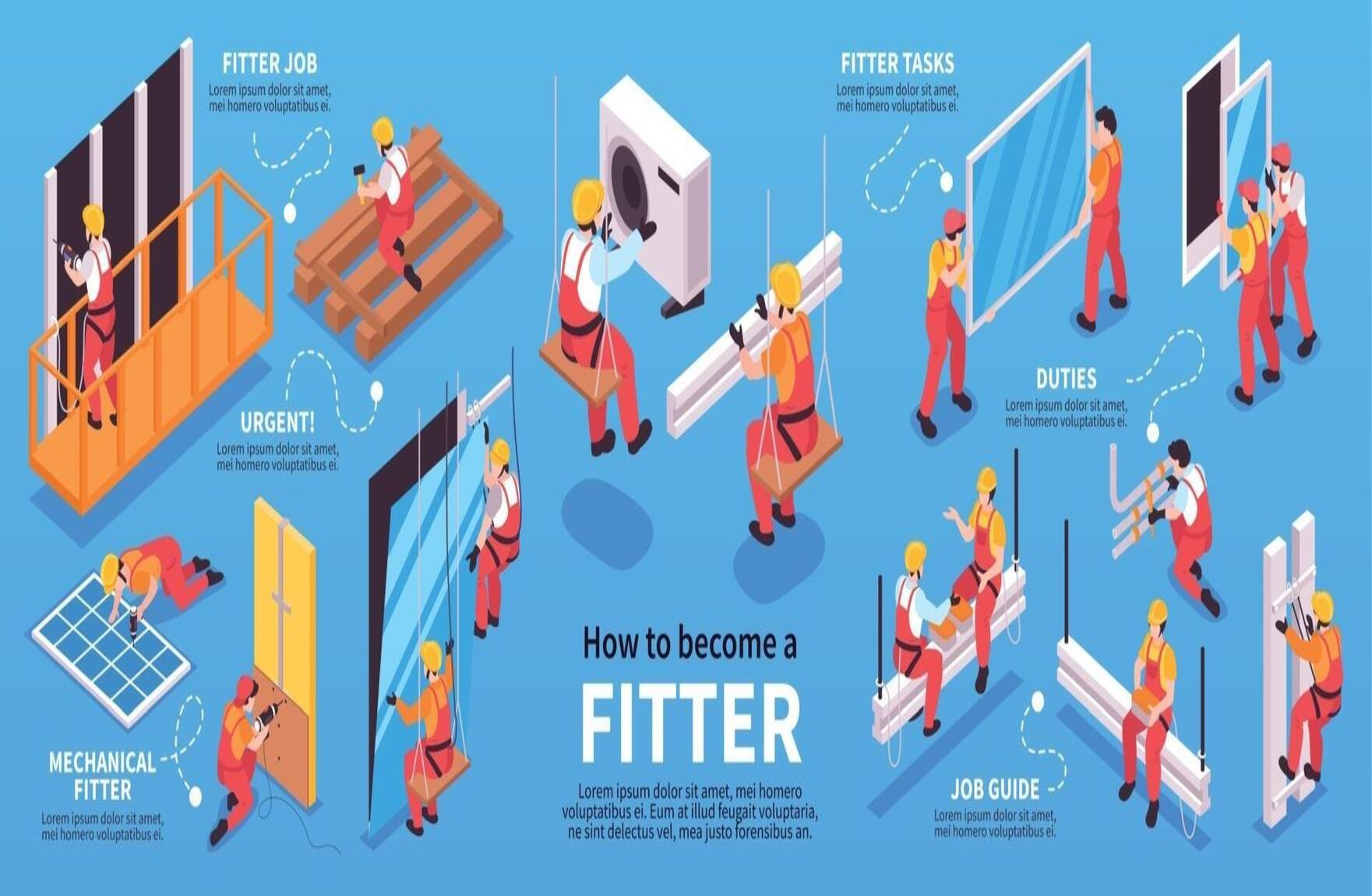
For example, an Electrician student develops knowledge related to electrical systems, wiring, equipment and safety, while a Fitter student focuses on fitting, tools, machinery and mechanical work.
NCVT vs SCVT: What Should You Check Before Admission?
Instead of choosing an ITI only because it says NCVT or SCVT, students should look at the complete picture.
1. Check the Institute
Research the ITI’s infrastructure, practical workshops, faculty and training environment.
2. Check the Trade
Choose a trade according to your interests, strengths and career goals.
3. Verify Current Affiliation
Affiliation and approval can change with time, so always verify the current status for the specific trade and admission session.
4. Understand Certification
Ask the institute which qualification/certificate will be awarded after successful completion of the course.
5. Consider Practical Training
Technical education is most useful when students receive sufficient hands-on exposure to tools, machines and practical work.
Frequently Asked Questions
Is NCVT better than SCVT?
NCVT and SCVT are different vocational training frameworks. Students should compare the specific trade, institute, certification and their career requirements rather than assuming that one is automatically better.
Is an SCVT certificate valid outside the state?
The applicability of a particular SCVT qualification can depend on the specific certificate, trade, employer, apprenticeship rules and current regulations. Students should verify the requirements of the organization or program where they plan to apply.
Can ITI students get jobs after completing their course?
Yes. ITI qualifications can prepare students for employment, apprenticeships and further skill development. Career opportunities depend on the trade, qualification, skills, experience and employer requirements.
Which ITI trade should I choose?
The right trade depends on your interests and career goals. Electrician, Fitter, COPA, Welder and Mechanic Diesel are examples of technical trades, but students should research the work involved in each trade before choosing one.
Is practical training important in ITI?
Yes. Practical training is an important part of technical education because it allows students to apply theoretical knowledge and develop hands-on skills.
Conclusion
Understanding the difference between NCVT and SCVT is important when choosing an ITI course. While NCVT has been associated with the national vocational training framework and SCVT operates at the state level, students should look beyond the terminology.
Before taking admission, check the current affiliation, trade, certification, examination framework, practical training and your long-term career requirements.
A good ITI education is not only about obtaining a certificate. It is about developing the technical knowledge, practical skills and confidence needed to build a successful career.
Build Your Technical Career with the Right Skills
At Gautam Buddha ITI – Noida Sector-63, students can explore technical training opportunities in trades such as Electrician, Fitter, COPA, Welder and Mechanic Diesel, subject to the applicable affiliation and admission rules.
🔧 Skill • Knowledge • Success
🏫 Quality Technical Training
🤝 Career Guidance & Support
💼 Skill Development & Growth
📍 Gautam Buddha ITI, Noida Sector-63
📞 Call: +91 95400 96844
📞 Helpline: +91 95400 96072
🌐 Website: www.gbiti.net
📧 Email: gbtinoida@gmail.com
🚀 आज का हुनर, कल की पहचान!